Melasma is one of the most common, and most frustrating, conditions we treat at Revival Dermatology. Patients come to us after trying drugstore creams, influencer-recommended serums, and DIY remedies with little to show for it. The good news: melasma is manageable, and Dallas patients just need a plan built for our climate.
What Is Melasma?
Melasma is a chronic pigmentation disorder that causes brown or grayish patches, usually on the cheeks, forehead, upper lip, and chin. It’s caused by overactive melanocytes, the skin’s pigment-producing cells, and it tends to show up symmetrically on both sides of the face.
- Affects women at far higher rates than men (roughly 90% of cases)
- More common in medium-to-darker skin tones (Fitzpatrick III–V)
- Not the same as sun spots, melasma is hormonally driven and larger in area
- Chronic, not curable, but very treatable with the right plan

Why Dallas Makes Melasma Worse
Our climate is uniquely hard on melasma-prone skin. Understanding why helps explain why some treatments that work in cooler cities fall short here.
- UV index regularly hits 10–11 in summer, and stays elevated even in fall and early spring
- Heat itself triggers melanocytes, independent of UV exposure is a real issue during long Texas summers
- UVA penetrates glass, so driving or sitting near a window still counts as sun exposure
- Mild winters mean patients never get the low-UV reset that helps melasma calm down in colder climates
“In Dallas, we see a higher-than-average number of melasma patients, which isn’t surprising. Our summers are long, intense, and unrelenting. The sun here doesn’t take a day off.”
– Dr. Lisa Guidry-Pruett, MD, FAAD

What Triggers Melasma
Melasma is rarely caused by one thing. It’s usually a combination of:
- Sun and heat exposure (even small, daily amounts)
- Hormonal shifts like pregnancy, birth control, HRT (read more on melasma and women)
- Genetics and family history
- Certain medications and thyroid conditions
- Skin irritation from harsh cosmetic products
Read more about the causes and symptoms of melasma in our full breakdown here.
Melasma Treatment Options We Offer
There’s no single “best” treatment. The right customized, combination treatment depends on your skin type, how deep the pigment sits, and what’s triggering it. A personalized plan typically layers a few of the following:
- Prescription topicals like hydroquinone, tretinoin, triple combination cream, azelaic acid, and tranexamic acid (topical or oral)
- Chemical peels including the VI Peel Precision Plus and ZO Stimulator Peel
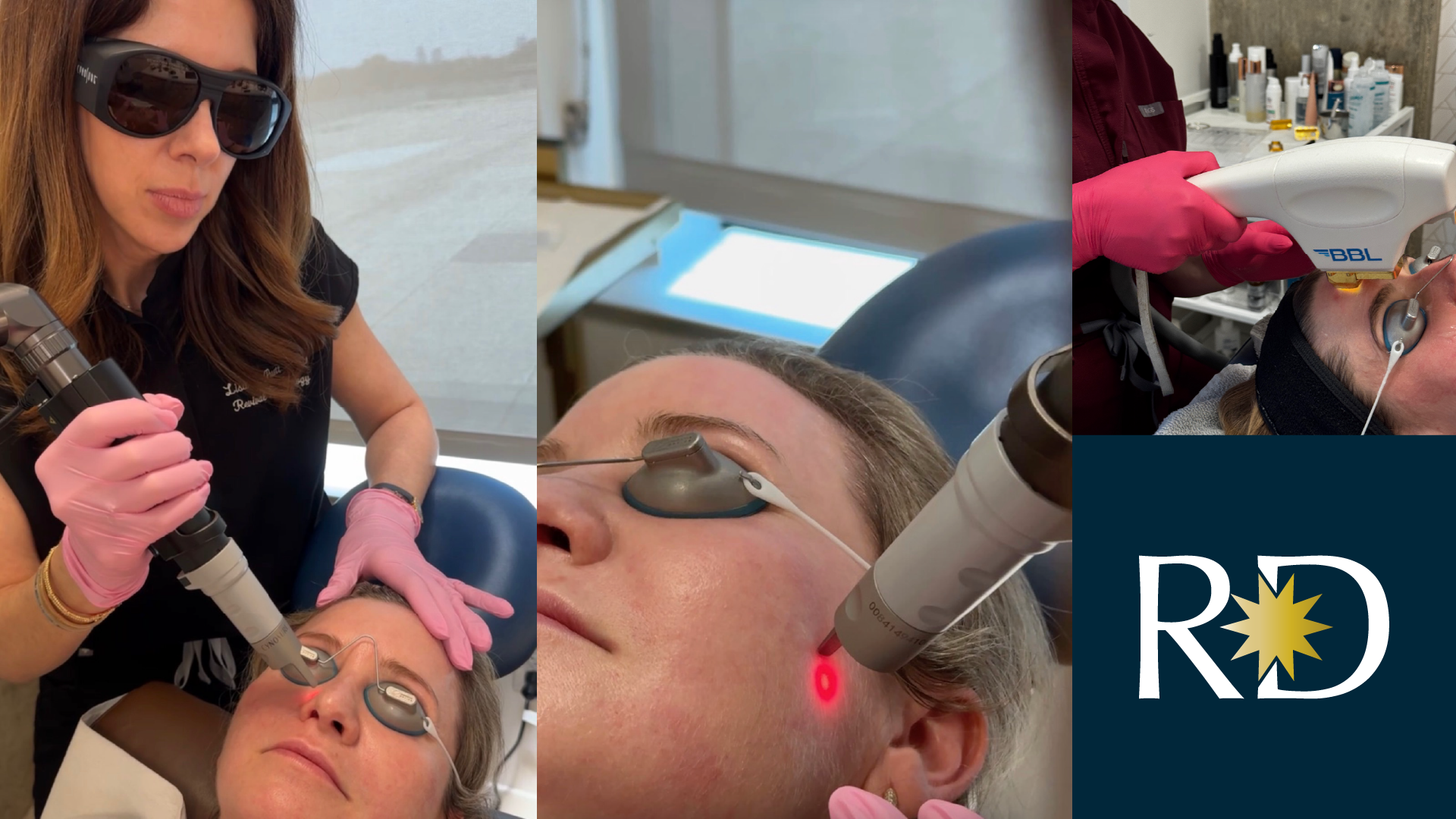
- BBL Photofacial targets excess pigment with light energy; requires careful settings in melasma-prone skin
- SkinPen microneedling often paired with topical tranexamic acid for deeper delivery
- PRP supports the skin’s regenerative response as an adjunct treatment
One important note: not all lasers are safe for melasma. Aggressive or improperly calibrated devices can trigger post-inflammatory hyperpigmentation and make things worse. This is why melasma should always be treated by a board-certified dermatologist, not a general medspa provider.
Why experience matters: melasma responds differently depending on skin depth, tone, and trigger profile. For instance, two patients with similar-looking patches can need very different plans. Providers who treat melasma often, and who understand how Dallas-specific heat and UV factor into recurrence, are far better positioned to sequence treatment correctly and avoid setbacks like rebound pigmentation.
“I always tell my patients that melasma management is a marathon, not a sprint. The patients who see the best results are the ones who commit to the full plan: the topicals, the procedures, and the sun protection. All three, together.”
– Dr. Lisa Guidry-Pruett, MD, FAAD
For a deeper look at each option, see our guide on medical and cosmetic melasma treatments.
Sun Protection Is Non-Negotiable
No melasma treatment holds up without daily, year-round sun protection. Full stop.
- Use broad-spectrum SPF 50 daily, even on cloudy or winter days
- Choose mineral sunscreens (zinc oxide/titanium dioxide) that are gentler on melasma-prone skin
- Look for tinted formulas with iron oxide, which block high-energy visible light that regular SPF misses
- Reapply every 2 hours outdoors, and wear a wide-brimmed hat during peak UV hours (10am – 4pm)
We carry and recommend several melasma-friendly sunscreens in-office:
- Pavise Dynamic Age Defense SPF: very melasma-specific, combines iron oxide with mineral UV filters
- Skinbetter Science ToneSmart SPF 75: high-protection, tinted to blend with skin tone
- EltaMD UV Clear: a dermatologist favorite, well-suited for sensitive and acne-prone skin
Utilizing the expertise of our years of preventing and treating sun damage, we offer ongoing, up-to-date information to help our patients. For more on building sun protection into your routine, read Melasma Management: Let’s Talk Sun Protection, Understanding the UV Index, and our Guide to UV Safety.
FAQs
What is the best treatment for melasma? There isn’t one universal treatment. The most effective plans combine prescription topicals, daily sun protection, and in-office procedures like peels or light-based treatments, tailored to your skin type and triggers.
Does melasma come back after treatment? It can, especially if triggers like UV exposure and heat aren’t managed. Melasma is a chronic condition, so ongoing maintenance is part of the plan, not a sign treatment failed.
Is melasma treatment covered by insurance? Generally no. Melasma treatment is considered cosmetic. Some topical prescriptions may have partial coverage depending on your plan.
Can lasers cure melasma permanently? No. Lasers can meaningfully improve melasma when used correctly by an experienced provider, but the underlying predisposition remains. The wrong laser can also make melasma worse.
How long does treatment take to work? Most patients see meaningful improvement in topicals within 3–6 months. Combining topicals with in-office procedures can speed up results.
Ready for a personalized melasma plan? Book a consultation with Dr. Lisa Guidry-Pruett, MD, FAAD, at Revival Dermatology in Dallas.