Medically reviewed by Lisa Guidry Pruett, MD, FAAD, board-certified dermatologist at Revival Dermatology
Melasma is one of the most common pigmentation concerns treated at Revival Dermatology in Dallas. The brown or gray patches it causes can be frustrating, and they are often hard to tell apart from other types of discoloration without an evaluation from a board-certified dermatologist.
What is Melasma?
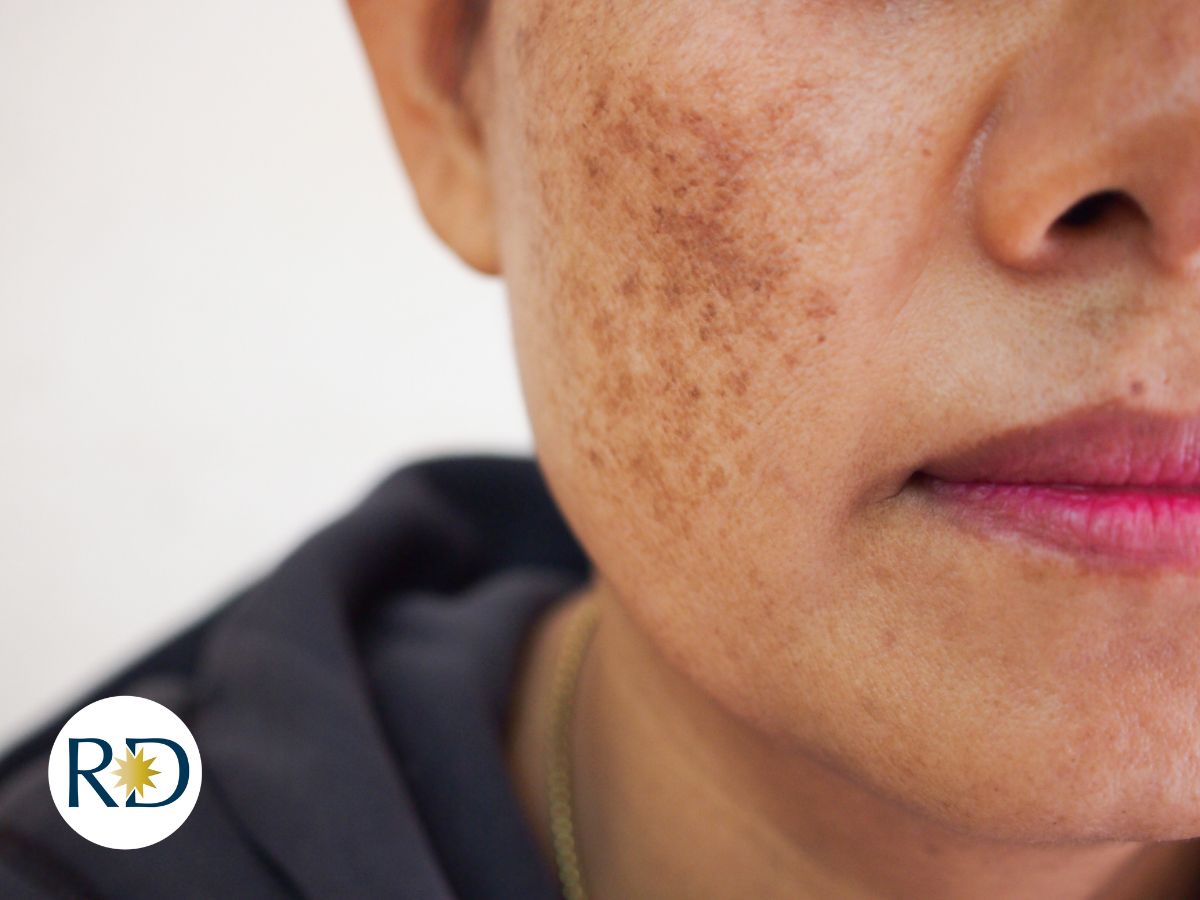
Melasma is a pigmentation disorder that causes darker patches of skin, most often on the face. It affects between 1.5% and 33% of people depending on the population. It is more common in women, in people with light brown to darker skin tones, and in sunny climates like North Texas.
Melasma happens when melanocytes, the cells that give skin its color, produce too much pigment in certain areas. People with medium to darker skin tones have more active melanocytes, which makes them more prone to it. Knowing the risk factors can help with early recognition and prevention.
What Causes Melasma?
Common risk factors include:
- Sun exposure: UV rays and visible light can trigger and worsen melasma.
- Skin tone: Light brown to darker skin tones are more susceptible.
- Sex: Women develop melasma far more often than men.
- Pregnancy: Melasma is common enough during pregnancy that it is often called the “mask of pregnancy.”
- Genetics: A family history of melasma increases risk.
- Hormones: Birth control pills and hormone therapy can trigger it.
- Skin care products and medications: Some products and medications can make melasma worse.
Symptoms of Melasma
The main symptom is hyperpigmentation: flat patches of skin that are darker than the surrounding skin, usually brown or gray. Patches most often appear on the:
- Cheeks
- Forehead
- Bridge of the nose
- Upper lip
Less commonly, melasma appears on the forearms, neck, and shoulders.
Melasma is not skin cancer, but it can resemble other skin conditions. A dermatologist can confirm the diagnosis and recommend the right treatment.
How Melasma Is Diagnosed
At Revival Dermatology, melasma is usually diagnosed through a visual skin exam. If a patch looks like another condition, the dermatologist may take a small biopsy during the first visit. This means removing a very small sample of skin for lab testing.
Treatment Melasma Treatment Options in Dallas
Melasma can be managed, but it tends to come back, especially with sun exposure. Most patients get the best results from a combination of treatments. After diagnosis, the dermatologist will build a personalized plan that may include:
- Prescription topical creams. Ingredients such as hydroquinone, tretinoin, and corticosteroids help lighten existing pigment and slow new pigment production.
- Daily sun protection. A broad-spectrum sunscreen with SPF 30 or higher, reapplied throughout the day, is essential for preventing new pigmentation. Tinted mineral sunscreens also help block visible light. Read more about melasma and sun protection.
- Chemical peels. Medical-grade peels remove the outer layers of skin to reduce surface pigment and improve skin tone.
- SkinPen microneedling with PRP. Microneedling paired with platelet-rich plasma supports skin renewal and can improve uneven tone.
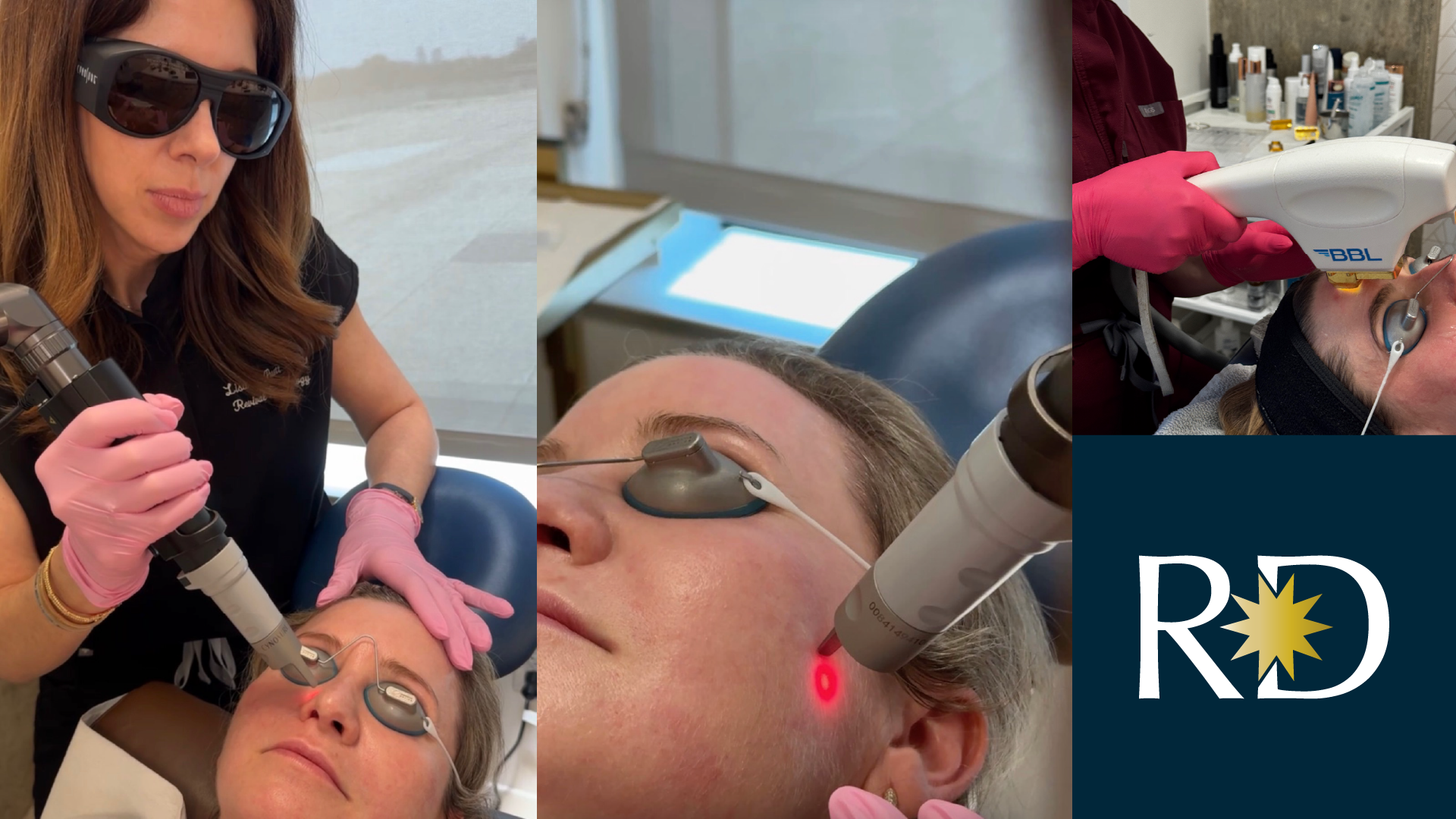
- PicoSure laser. PicoSure is a picosecond laser that breaks up pigment with ultra-short pulses and less heat than traditional lasers. Lower heat matters with melasma, since heat can make pigmentation worse. For select patients, PicoSure can be used alongside topical treatment and sun protection to fade stubborn patches. Learn more about PicoSure laser treatment.
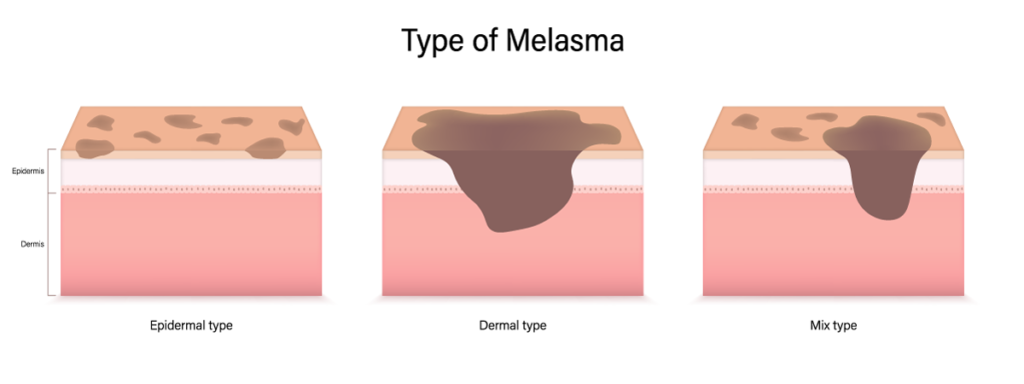
Not every treatment is right for every skin type. The dermatologist will recommend options based on skin tone, the depth of the pigment, and treatment history.
Frequently Asked Questions About Melasma
Can melasma go away on its own?
Melasma related to pregnancy or birth control sometimes fades after hormone levels change. Most cases need treatment and ongoing sun protection to improve.
Is melasma permanent?
Melasma is a chronic condition, but it can be well controlled. Many patients see significant fading with a consistent treatment plan.
Can laser treatment make melasma worse?
Some lasers can worsen melasma, especially in darker skin tones. This is why laser treatment for melasma should be done by a board-certified dermatologist who can choose the right device and settings.
Who treats melasma in Dallas?
Board-certified dermatologists at Revival Dermatology diagnose and treat melasma for patients across Dallas, Park Cities, and North Dallas.
Schedule a Melasma Consultation in Dallas
Melasma is common and manageable with the right plan. If you have dark patches or uneven skin tone, book a consultation with Revival Dermatology to get an accurate diagnosis and a treatment plan built for your skin.
This article is for general educational purposes only and is not a substitute for professional medical advice, diagnosis, or treatment. Always consult a board-certified dermatologist or qualified healthcare provider about your specific condition. Individual results may vary.